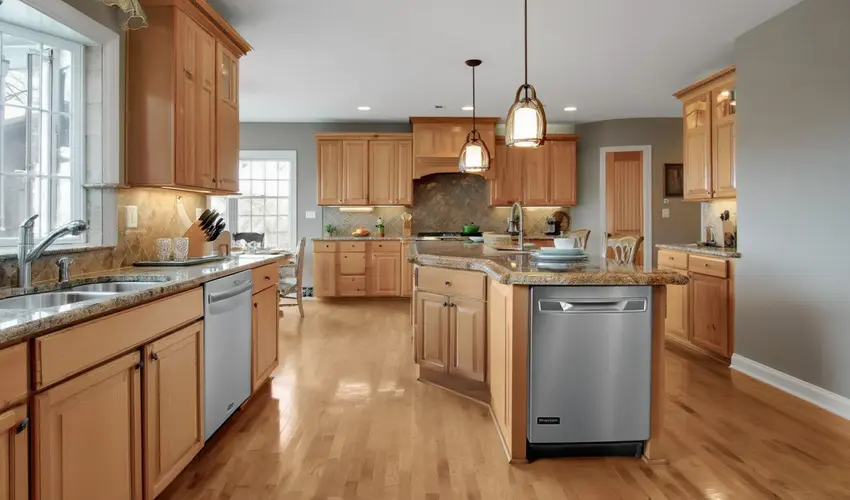
This article provides a comprehensive evaluation of Frigidaire dishwashers, including features, models, user and expert reviews, and comparisons.
When you are standing in the appliance aisle of a big-box store, the Frigidaire name often stands out for one reason: price. Known historically as the brand that brought the first home refrigerator to market, Frigidaire has spent the last few decades positioning itself as the “value king” of the kitchen. With rising costs and a market flooded with high-tech competitors like Bosch and Samsung, homeowners are asking: Are Frigidaire dishwashers actually of good quality, or are they just cheap?
The short answer is that Frigidaire offers some of the best cleaning-per-dollar ratios in the industry, but they aren’t without their quirks. To help you decide if one belongs in your kitchen, we have analyzed the current lineup, consulted expert reliability data, and gathered real-world feedback from users.
The Three Tiers of Frigidaire Quality
To understand Frigidaire’s quality, you first have to understand that they sell three distinct “series.” The quality you experience depends heavily on which one you choose.
- Frigidaire (Standard/Basic): These are the entry-level models. They usually feature plastic tubs and higher noise ratings (54–62 dBA). They are reliable workhorses but lack the longevity and drying power of higher tiers.
- Frigidaire Gallery: This is the “sweet spot” for most American families. These models offer smudge-proof stainless steel, more advanced spray arms (OrbitClean), and better drying technology (EvenDry or MaxBoost).
- Frigidaire Professional: These are designed to look like high-end, luxury appliances with heavy-duty handles and stainless steel tubs. While they look expensive, the internal mechanics are often similar to the Gallery series but with more robust racks and quieter operation (around 42 dBA).
Key Features of the Best Current Models
Frigidaire has introduced several proprietary technologies that keep them competitive. If you are looking at a model, these are the features that define their “good quality” reputation:
1. OrbitClean® Wash System
Unlike a traditional spray arm that simply rotates in a circle, the OrbitClean arm has a smaller satellite arm on its end that rotates independently. This creates a “flower-petal” spray pattern that covers four times more area than a standard arm. Expert testers consistently rank this as one of the best systems for removing baked-on food without pre-rinsing.
2. EvenDry™ and MaxBoost™ Drying
One of the biggest complaints with modern dishwashers is that they leave plastic items wet. Frigidaire’s EvenDry system uses a combination of a heating element and a fan to circulate air. The MaxBoost Dry feature has become a fan favorite, significantly reducing the “puddles on coffee mugs” issue that plagues many condensation-dry brands like Bosch.
3. DishSense™ Technology
This is Frigidaire’s version of a soil sensor. It detects how dirty the water is during the pre-wash and adjusts the cycle time and water pressure accordingly. This prevents the machine from over-working (saving electricity) or under-working (leaving spots).
4. Smudge-Proof® Stainless Steel
If you have kids or pets, this is a massive quality-of-life feature. Frigidaire’s stainless steel has a proprietary coating that is significantly easier to clean than the “naked” stainless steel used by some European luxury brands.
Top Recommended Models
Based on current performance and reliability ratings, here are the top three Frigidaire models to consider:
| Model | Series | Key Strength | Noise Level |
|---|---|---|---|
| GDPH4525AF | Gallery | Best overall value with 42 dBA and MaxDry. | 42 dBA |
| FPID2498SF | Professional | Premium look, stainless tub, and 3rd rack. | 47 dBA |
| FDPC4314AS | Standard | Best budget option. | 54 dBA |
Expert Opinions: What the Pros Say
Appliance experts generally view Frigidaire as a “Tier 2” brand. This isn’t a bad thing; it means they are better than generic budget brands but aren’t trying to be “heirloom” appliances like Miele (which have a high cost).
“Frigidaire’s Gallery series remains one of the few brands that still uses a traditional heating element effectively. While the rest of the industry moved toward condensation drying to meet energy standards, Frigidaire managed to balance energy efficiency with bone-dry dishes. For the American consumer who hates towel-drying, this is a high-quality choice.”
— Senior Reviewer, Appliance Insider
However, experts also point out that reliability can be a mixed bag. Repair technicians often note that while Frigidaire parts are widely available and cheap to replace, they may require service more frequently after the 5-year mark compared to a Whirlpool or Bosch.
User Opinions: The Real-World Verdict
To give you an authentic look at quality, we’ve synthesized common feedback from hundreds of user reviews.
The Positives
- “The Cleaning Power is Real”: Many users who switched from older GE or Whirlpool models note that the OrbitClean arm actually does what it claims. “I don’t have to pre-scrub my lasagna pans anymore,” is a common sentiment.
- “Simple to Use”: Users appreciate that the controls aren’t overly complicated. There are no “smart” apps that fail to connect; it’s just buttons that work.
The Negatives
- Noise (on Budget Models): Users who buy the standard series frequently complain about the noise. At 54–60 dBA, you can definitely hear the dishwasher in the next room.
- Part Durability: A recurring complaint involves the plastic tabs on the lower spray arms and racks. Some users report these components feeling “flimsier” than those on models from 10 years ago.
- Customer Service: Like many large manufacturers, Frigidaire’s customer service has received lower marks for wait times and the difficulty of scheduling warranty repairs.
Frigidaire vs. The Competition
How does Frigidaire stack up against the big names in the industry?
- Frigidaire vs. Bosch: Bosch wins on build quality, reliability, and silence. However, Bosch uses condensation drying (no heating element), which often leaves plastics wet. Frigidaire wins on drying performance and price.
- Frigidaire vs. Whirlpool: These two are the biggest rivals. Whirlpool is generally considered slightly more reliable in the long run (fewer service calls), but Frigidaire’s Gallery series usually offers more “luxury” features (like a 3rd rack and better styling) for the same price.
- Frigidaire vs. Samsung/LG: Samsung and LG are packed with tech (Wi-Fi, apps). However, Frigidaire is usually easier and cheaper to repair. Many experts recommend Frigidaire over Samsung for longevity because of the simplicity of the mechanical parts.
Maintenance Tips for Frigidaire Owners
If you choose a Frigidaire, you can extend its “quality” life to 10+ years by following these three steps:
- Clean the Filter Monthly: Most models have a manual-clean filter at the bottom. Twist it out and rinse it. If it gets clogged, the motor has to work twice as hard, leading to early failure.
- Check the Spray Arm: Ensure the small holes in the OrbitClean arm aren’t clogged with hard water deposits or toothpick fragments.
- Use High-Quality Detergent: Modern Frigidaires are designed for pods or high-enzyme liquids. Cheap powder can sometimes fail to dissolve properly in the shorter “Quick Wash” cycles.
Final Verdict: Is Frigidaire Good Quality?
Yes, Frigidaire dishwashers are of good quality, provided you buy within the Gallery or Professional series.
If you are looking for a dishwasher that is whisper-quiet, will last 15 years without a single repair, and has a heavy German-engineered feel, you should look at Bosch or Miele. You will pay a premium, but you get what you pay for.
However, if you want a machine that looks great in a modern kitchen, gets dishes bone-dry, and cleans exceptionally well at an acceptable price, Frigidaire is arguably the best value on the American market today. Just be sure to spring for a model with a stainless steel tub and a decibel rating of 49 dBA or lower to ensure you are getting the best the brand has to offer.
Frequently Asked Questions (FAQ)
Q: How long do Frigidaire dishwashers usually last?
A: On average, you can expect 7 to 10 years of life. Frequent maintenance (cleaning filters) can push this closer to 12 years.
Q: Is a plastic tub dishwasher worse than a stainless steel one?
A: Plastic tubs don’t affect cleaning, but they are louder and don’t retain heat as well for drying. Stainless steel tubs are more durable, odor-resistant, and significantly quieter.
Q: Does Frigidaire have a good warranty?
A: Most models come with a standard 1-year parts and labor warranty. We recommend checking if your credit card offers an extended warranty or purchasing one through a reputable retailer if you are buying a Professional series model.
Q: Are they made in the USA?
A: Many Frigidaire dishwashers are assembled in Kinston, North Carolina, though components are sourced globally. This makes parts relatively easy to find in the United States.


